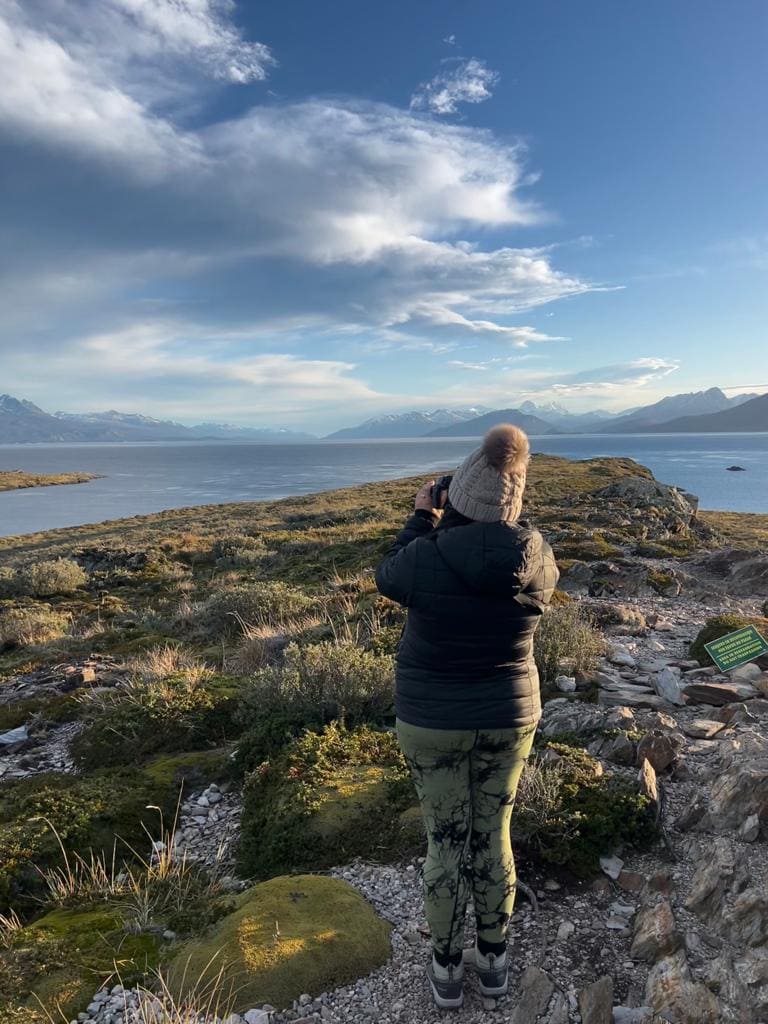
Solo Female Travel in South America: How to Stay Safe
When I told people I was travelling alone to South America (especially Colombia!), I had the same reaction from most people: Why?! Not only had most of them never travelled alone, but they had also never even been to South America, and their judgement was based only on stereotypes.
I’d be lying if I said their comments didn’t make me a little nervous, even though I knew they had no first-hand experience and that I was likely to be just as safe there as anywhere else I’d travelled. They also couldn’t understand why I’d want to travel alone, as they’d never experienced the freedom that comes with solo travel – a feeling that’s since taken me from South America to Oman and Tunisia.
Solo female travel in South America can feel scary before you go, especially when you’re surrounded by people telling you all the reasons not to. This post will give you practical tips on staying safe and help you feel more confident exploring the continent alone.
Solo Female Travel in South America: Is it Safe?
Travelling almost anywhere solo as a woman will often be met with a similar response surrounding safety, and South America is no different. It’s thought of by some as an extremely dangerous place, and that’s not to say that it hasn’t been dangerous in the past, or that some areas aren’t still unsafe, but only certain places should be avoided, in the same way there are areas in Europe or north America that are unsafe. There are still plenty of incredible places in South America that you can explore safely!
12 countries make up South America: Argentina, Bolivia, Brazil, Chile, Colombia, Ecuador, Guyana, Paraguay, Peru, Suriname, Uruguay and Venezuela, plus the French overseas territory of French Guiana. They all have differing levels of safety – for example at the time of writing this, travelling to Venezuela is advised against due to political instability and high crime rates. At the same time, Uruguay is ranked in the top 50 in the 2026 Global Peace Index (GPI) out of 163 counties, sitting at number 43. For reference, the UK ranked 39th, Greece ranked 53rd, and the USA ranked 134th! (The GPI isn’t a fully reliable source, but it provides a good guideline!)
I spent 9 weeks backpacking alone in South America, visiting Colombia, Ecuador and Argentina. A friend did join me in Argentina, but I would happily go back there alone! I honestly didn’t feel any more unsafe in these countries than I have anywhere else I’ve travelled, including all over Europe and Asia.
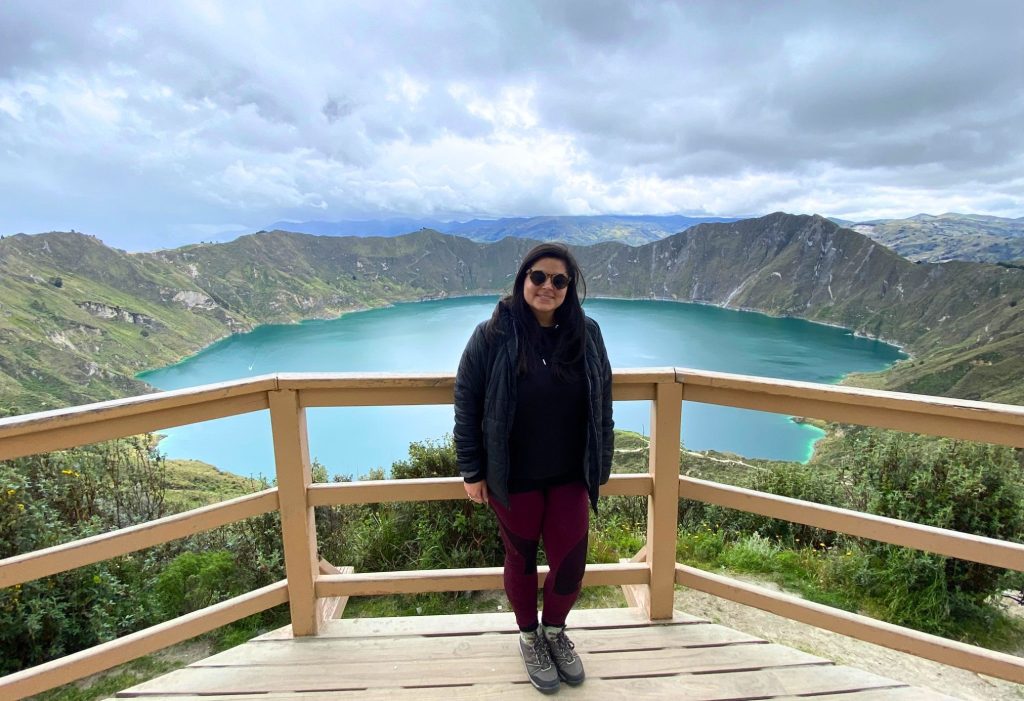
Some parts of Ecuador are increasingly dangerous, particularly Guayaquil, and there were even some tensions in the capital, Quito when I was there in 2024. Places like the Galapagos Islands however remain very safe, and alongside my Amazon trip, was the highlight of my time in Ecuador!
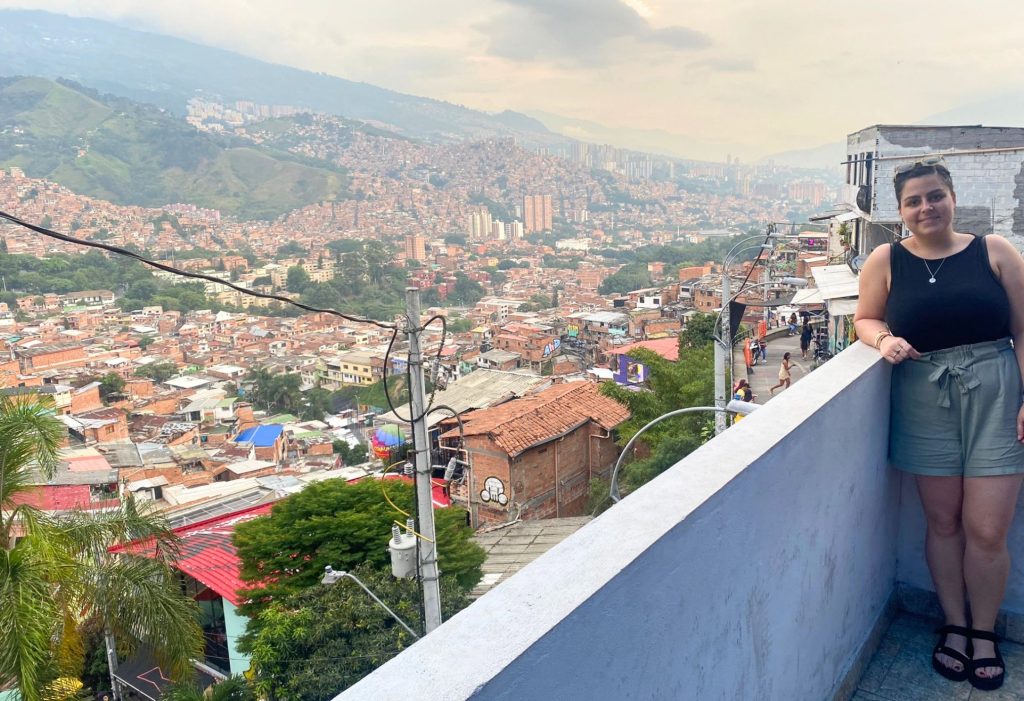
Colombia also has dangerous areas, including the border with Venezuela, (it’s generally safest to avoid most border areas) but if you stick to the tourist routes you can travel there safely and have an incredible time. It’s sad to see Colombia currently ranked at 141 on the GPI, which has a lot to do with criminal gang activity in certain areas that tourists wouldn’t (and shouldn’t) go to. I spent 2 weeks there in 2024, visiting Salento, Medellin, Cartegena, Tayrona national park and Paso Del Mango (near Minca), and personally didn’t run into any problems. I did witness someone’s phone being stolen on the metro in Medellin, but pickpockets are something to look out for in all busy cities.
I stuck to well-travelled areas, stayed aware of my surroundings, and trusted my gut.
Things to Do Before You Go
- Do your research – check official advice regarding safe travel, as things can change quickly, and familiarise yourself with frequent scams in your destination so you know what to look out for.
- Always have a transfer booked from the airport when you arrive somewhere new, especially if you’re arriving at night. Often, you can book this through your accommodation, or at the very least they can point you in the right direction.
- Learn some basic Spanish – this will go a long way! Have Google translate set up for offline Spanish – this helped me when I needed bolt cutters to break into my hostel locker when my padlock got stuck! (Amongst other things).
- Look into which neighbourhoods are safe to stay in – when I arrived in Quito Ecuador, my taxi driver told me to remove my (inexpensive) sunglasses and watch, and to jump out of the car on his count of 3 to get my bag as quickly as possible. This did worry me a bit, but thankfully I didn’t encounter any problems, despite not doing my research beforehand, oops! That’s something I’ve always done since.
- Check vaccine requirements and make sure you’re up to date with any necessary vaccines such as yellow fever, which is a requirement for many countries in South America.
- Make sure you have valid travel insurance. This is really important in case you need any medical help, or for replacing lost or stolen items. I was extremely lucky that I didn’t need to use mine when I went to South America. When I returned home I realised it wouldn’t have been valid – my trip exceeded the number of days that I was covered for.
Practical Safety Tips
These are all things you would probably do anyway and can be applied anywhere you go.
- Don’t make yourself an easy target – be aware of yourself and your surroundings and trust your instincts if something feels off.
- Be careful with your bag and belongings and try to wear your bag on your front so you can keep an eye on it. I even used a small padlock to secure the zip when I was in crowded places.
- Don’t walk around with your phone out too much if you can help it – sometimes you might need it for maps though (that’s where a phone strap comes in handy).
- Don’t go out walking at night alone.
- If you’re drinking be careful, always keep an eye on your drinks, and try not to get too drunk.
- Download offline maps on your phone so you can always see where you are.
- Make sure you have an eSim so you can stay connected, research different places, book taxis etc.
- Check-in with someone at home to let them know where you are or share your itinerary.
- Be careful with your possessions when travelling between cities. Personally, I flew as I was short on time, but if you use overnight buses make sure you keep all your valuables on you – I did hear stories of bags being robbed. I think I would try and stick to buses travelling during the day, but I had friends who took overnight buses alone and were fine.
- Only use trusted taxis, whether that’s an official taxi rank or booked through a reputable app such as Uber or Bolt. Research which apps are recommended before you go, as this varies from country to country. Never get into an unmarked taxi.
- Don’t carry lots of cash with you. I was advised to have a spare second purse with me with a little cash in in case I was robbed (thankfully I didn’t need it).
- Always have more than one international card with you – one of my cards was cloned in Argentina but luckily, I had a spare with me!
- Use ATMs during the day and try to use the ones in banks and shopping centres.
- What to wear – there are no rules on what you can or can’t wear in South America, so just wear what makes you feel comfortable! You will likely get attention as a tourist anyway, so be mindful of what might attract unwanted attention.
Ways to Feel More Confident Travelling Solo
As a solo female traveller in South America, I found it easy to meet people, meaning that I was only really alone when I wanted to be. There are plenty of ways to meet people and build your confidence along the way.
- Stay in hostels – this is a great way to meet other travellers. Hostels aren’t for everyone, but most have private rooms, and you might even be surprised at how nice they can be! There’s usually a communal area, and many organise activities which makes meeting people even easier – especially some of the many other women travelling solo.
- Day trips and walking tours are also a really good way to meet people. Once you’ve booked your trip, find a free walking tour or day trip. They’re a great way to explore the area, learn some of the history, and meet other travellers, maybe some other solo ones too.
- Group trips are great if you’re feeling nervous. They remove the stress of planning every detail, and you won’t be alone! You could even start off with one that’s just a few days long to build up your confidence.
- Remember feeling lonely is normal. The reality of solo travel is that you might have moments or even days when you feel lonely – there’s no guarantee that won’t happen, but it’s completely normal.
- Try not let people’s views get in your head and scare you. You might never feel ready, so book it scared! Nerves are normal, but once you’re away experiencing new things and having fun, you’ll wonder what you were worried about! And if it’s not your thing that’s fine too, you can book a flight home and know that you tried!
Don’t Let Fear Hold You Back From Travelling to South America
I loved my time travelling solo in South America, and as long as you take the right precautions and stay aware of your surroundings, I think you will too. As important as it is to take sensible precautions, don’t let thinking about safety take over your trip. You’ll spend most days wandering around colourful streets, trying delicious new foods, discovering incredible scenery and meeting new people. Staying aware soon becomes second nature, so you can focus on enjoying everything around you.
Solo female travel in South America can be an incredibly rewarding experience, and I still have so much more of the continent to explore – I can’t wait to go back! I hope this post has given you the confidence to book your own solo trip to South America if it’s something you’ve been thinking about.
If you’re planning your trip, don’t forget to check out my South America packing list to help you decide what to take!